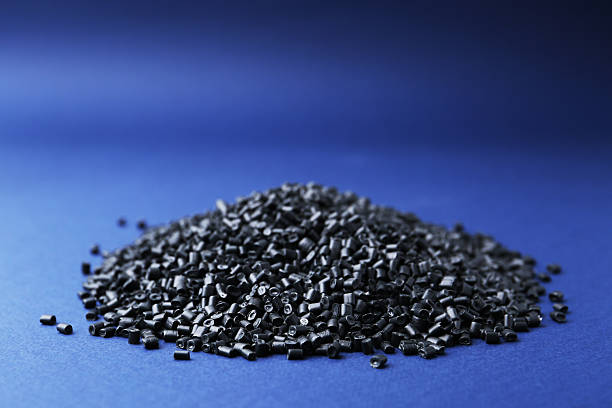
cheap price zhongtai chemical pvc resin
Cheap price tags catch attention, especially in a tough market where every dollar counts. Zhongtai Chemical’s PVC resin lands at the center of this conversation, promising a low-cost option for a material used everywhere from window frames to wires. Cheap isn’t always simple, though. I’ve seen plenty of production managers jump at lower rates, only to face headaches later. Weak quality control, unpredictable shipments, or inconsistent resin properties can bog down the most organized factory floor. My years spent walking through plastic pipe plants and cable production sheds taught me: cutting costs on raw material often pushes costs up elsewhere. Missed delivery dates lead to idle workers and delayed builds. Out-of-specification resin means entire batches of product might fail basic stress or safety tests. No savings on earth offsets a recall or batch rejection. Zhongtai Chemical operates in Xinjiang, where costs for labor and energy run lower than in many parts of coastal China. This location gives them the muscle to undercut rivals. Sometimes aggressive pricing links straight to economies of scale and thin margins. Other times, it reflects a business trying to grab global attention or move huge stockpiles quickly. Yet, something sits beneath the surface. Environmental standards in some industrial regions have not always matched what Europe or North America enforces. There have been international bans and restrictions on goods from Xinjiang over human rights and forced labor worries. Buying from these sources means taking on a larger question: where does a company draw the line between saving money and upholding values like fair labor and sustainability? I've talked with purchasing heads in multinational companies who describe wrestling with these trade-offs. Some decide on alternate sources, fearing consumer backlash or a crisis in their supply chain.Price matters, but reliability matters more. Factories making water pipes or hospital-grade tubing rely on tight tolerances for strength and safety. A batch of cheap resin that clogs extruder filters, smokes, or suddenly stops performing pushes up losses. Over time, even small issues lead to costly machine downtime and warranty claims from angry clients. Traceability is another hurdle. More industries want proof of raw material origin, partly due to regulations like REACH or the U.S. Uyghur Forced Labor Prevention Act. Not every exporter or trader selling cheap PVC resin can provide batch-level documentation matching these requirements. Fines, border seizures, or product bans in Western markets force buyers to weigh these risks. I've worked with teams combing through stacks of import paperwork, trying to trace a shipment back to its roots, just to satisfy a single customs official.No company easily shrugs off the temptation to save big per ton. Yet, leading firms put price against risk—short-term savings against long-term reliability and ethics. Some buyers visit production plants, not just trading offices. They talk to line workers, peek at wastewater ponds, and smell the air outside the factory gates. Others partner with trusted logistics players who offer on-the-ground verification—not always something the cheapest deals include. These steps seem like hassle and overhead, but in my experience, they build a flatter, collapse-resistant supply chain. I’ve heard about buyers who experienced entire shipments held at port due to lack of compliance paperwork, costing thousands per day in storage fees. After that, they switched to suppliers who could guarantee both price and compliance, preventing bigger losses down the road.Buyers hungry for cheap resin face a puzzle. There’s an urge to respond to short-term financial pressure, especially as commodity prices shift wildly. Real resilience means spending time to vet sources, using third-party labs to test random lots, and comparing suppliers on more than just price. Calls for transparency will keep growing louder. Some industries respond by forming buying pools, demanding group-level audits, and even investing in direct relationships with trusted suppliers. This builds leverage to request cleaner, fully legal, and responsibly sourced material, even at a premium price. New technology like blockchain-backed traceability and smart packaging chips gets adopted by buyers who have learned hard lessons from one too many supply shocks. Long-term, these investments protect jobs, reputations, and consumer trust—things worth more than a bargain-basement purchase.Zhongtai Chemical’s cheap PVC resin is an example of the tough choices companies face every day across the supply chain. The lure of cost savings must be balanced with vigilance in assessing supplier practices and their broader impacts. Buyers who invest in due diligence, prioritize traceability, and stick with their corporate values often find more stable ground, even as competitors bounce from crisis to crisis. In the end, the real cost of cheap resin shows up where you least expect it—reputation lost or a missed market window. Smart decision-makers know savings mean little without trust and reliability.