Xinjiang Zhongtai PVC Resin

PVC resin production in Xinjiang, led by giants like Zhongtai, doesn’t often show up on the front page unless someone’s talking about global supply chains or trade disputes. Yet, the story behind these white granules winds through economics, energy, and human values. I see it weaving into questions we all face: what price are we willing to pay for modern life’s seemingly basic materials, and who pays that price?For years, the expansion of Zhongtai’s operations put Xinjiang at the center of the world’s plastics conversation. This region, remote by any standard, pumps out PVC resin used in everything from construction pipes to credit cards. China produces more PVC than any country, and a large part of that comes from Xinjiang. The process looks straightforward—salt, coal, chemical reactors—but the reality draws from vast reserves of energy, water, and labor. Critics flagged the huge carbon emissions and water use as global climate talks heated up. PVC production relies heavily on coal—cheap and plentiful in Xinjiang—making every kilogram a testament to choices still favoring fossil power over cleaner sources. My experience teaches me that cost is always a driver, but environmental trade-offs keep stacking up for future generations.The story doesn’t end in factories. Most people outside China haven’t set foot in Xinjiang, and even fewer know what it means to live next to one of these industrial parks. Communities near these plants face direct consequences—a local river that smells different than it did, or an air quality monitor that quietly edges into the red. Reports and watchdog organizations point to persistent concerns about workplace protections and the welfare of those employed by industry giants. People want safer jobs, and they deserve transparency. We can’t claim to value consumer safety or environmental health if we ignore conditions upstream from the finished product.I think about how PVC resin sits at the intersection of international trade and domestic development. As global demand climbs, countries importing PVC from Xinjiang face questions about sourcing. Over the years, reports linked Xinjiang-based manufacturing with broader human rights debates. These charges come up in international forums, and the reaction isn’t just governmental—brands faced public pressure to trace their supply chains and ensure they don’t rely on forced labor or cut corners on safety. Audits and certifications, while not perfect, create records that can help separate responsible producers from those just seeking maximum gain.Affordable PVC shapes homes, vehicles, and essential infrastructure in rich and poor countries. Yet, the world has started talking about circular economies. Old models, where companies made, sold, and forgot, don’t hold up anymore. Real waste piles up—literally. PVC doesn’t simply disappear; it sticks around in landfills or hits the incinerators, often releasing substances nobody wants drifting through neighborhoods. Xinjiang’s massive outputs remind us that the raw materials for these problems don’t spring from nowhere. Scaling back the environmental footprint of PVC will mean either cleaner energy input, smarter recycling, or alternatives entirely. This isn’t easy, but places with the most at stake, like Xinjiang, have the most room for change.Solutions usually come slowly in an industry as entrenched as this. International buyers can prioritize contracts with transparent supply chains, demanding better records and proof of fair labor. Firms have begun investing in cleaner methods—shifting to processes that use less coal or capture more emissions. Governments can push stricter environmental standards, backing them with real inspections and penalties that bite. Local communities deserve seats at the table when zoning or expansion plans develop. I’ve seen that change doesn’t come from outrage alone, but through persistent engagement—workers speaking up, customers voicing concern, policymakers holding producers accountable, and journalists keeping eyes open.There’s no single answer for the challenges that arise from Xinjiang Zhongtai’s PVC business. The industry brings jobs and investment; nobody wants to ignore that. But making more plastic at lower cost shouldn’t mean communities lose control over their water or air, or that global customers pretend not to notice where their raw materials begin. Greater oversight can drive progress. Changing the calculus—valuing safe labor, a sustainable climate, and fair trade as much as profit—demands commitment, not just from companies but from everyone who turns on the tap, steps onto a subway platform, or swipes a card made possible by resin from Xinjiang.
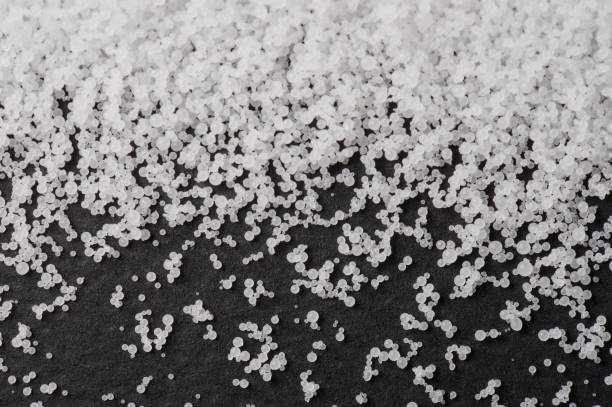
china zhongtai chemical pvc resin manufacturer​

Factories shape economies, and when a name like China Zhongtai Chemical pops up in the conversation about PVC resin, it draws a clear line between industrial progress and everyday life. Having worked with polymer resins for years, I recognize how companies like Zhongtai rise on the back of demand for robust, affordable materials. Walk through any construction site or plumbing supply warehouse, and you’ll quickly notice how deep PVC runs in daily infrastructure. PVC pipes run through apartment walls, packaging films wrap our daily essentials, and even kids’ toys come molded from this versatile plastic. In the eyes of a factory worker or plant manager, the output from a major producer like Zhongtai goes far beyond material supply—it becomes the backbone of every city built in the last few decades.Shifts in the resin market hit both local community wages and international pricing. In regions near Xinjiang, where China Zhongtai Chemical holds production sway, family incomes depend on those monthly wages. When production ramps up to meet export contracts, more hands find work. Workers rely on steady management, fair working conditions, and trustworthy safety standards, since large-scale chemical plants can bring health risks along with jobs. Globally, pricing from dominant manufacturers shapes the fate of small companies that can’t afford sudden hikes in raw material costs. Forward-thinking business owners—whether in Bangladesh or Brazil—track Chinese resin prices day to day. If costs spike, construction delays and reduced access to reliable goods follow, and this extends well beyond just consumer price tags.Chemical plants churn out more than finished PVC; the manufacturing process brings pollution concerns. Toxic runoff, greenhouse gases, and waste disposal create ongoing headaches in regions packed with industrial activity. I’ve witnessed how downstream communities, where families fish or farm, find themselves in battles between job security and clean water. Some neighbors receive new roads and power lines from a growing tax base, but others watch their rivers turn cloudy. Factual reports from environmental groups often point fingers at multiple layers of the supply chain, not just plant operators but also municipalities and local industries competing for resources. If the public and governments keep pushing for tougher environmental laws, chemical companies will eventually need to adopt cleaner catalysts, capture emissions, and invest in chemical recycling. These changes don’t happen overnight, and they almost always drive up the cost of materials—something that sits heavy on every company’s balance sheet.Engineers, builders, and factory owners place a lot of trust in suppliers like Zhongtai. Any batch of subpar resin can wreck a production run or strain contracts as defects show up in finished products. Having managed projects where material quality was the deciding factor between profit and enormous loss, I know the anxiety that comes when corners are cut. China, as a whole, has invested in tightening oversight and raising production standards. That said, the sheer volume puts pressure on lab technicians, quality inspectors, and plant supervisors to keep up consistency. For a local manufacturer trying to stay ahead, getting international certifications and staying transparent with supply partners can set them apart. A little openness builds trust with businesses abroad, breaking down the old stereotype about mystery-shrouded supply chains. Since trade relationships form the roots of global manufacturing, trust in every sack of resin means fewer headaches once those products cross oceans and borders.Sustainability doesn’t stop at reducing pollution. Smarter production, using less resource-intensive technology and recycling plant waste, keeps costs down and shrinks the carbon footprint. I’ve spoken to friends in the industry who see value in retraining veteran workers to operate more automated lines. Investments in research can help find new applications for recycled PVC. At the policy level, companies embracing transparency about their output and emissions might earn better goodwill with both regulators and the communities nearby. Looking ahead, a company like Zhongtai—pushing for the next production upgrade—must weigh short-term gains against future risks if environmental, health, and reputation concerns come knocking. Community engagement, keeping honest communication with local residents, and working with governments on fair labor practices count for more now, with consumers and factory workers alike ready to reward companies that make the hard, responsible choices.None of us live far from the effects of big industry. Whether someone works in a factory or just wants safer pipes in their home, the sheer scale of China Zhongtai Chemical’s operations touches lives in ways that might not be obvious at first glance. As someone who once relied on a paycheck from a resin plant, I see the need to balance job creation, environmental care, and fair market practices. Embracing responsible production not only helps the environment and public health but also drives long-term business growth for the producers themselves. Consumers around the world increasingly look for goods they can trust—products free from toxic byproducts, made by workers treated fairly. If manufacturers like Zhongtai lean into high standards, both global buyers and local families end up better off, making every bag of PVC resin more than just a raw material—it becomes a chance to shape a healthier, fairer future.

zhongtai chemical pvc resin supplier in china

Living in a place where factories dotted the horizon, you quickly learn that these companies don’t just shape skylines—they touch lives in everything from livelihoods to local air quality. In my early years, the scent of chemical plants marked certain towns, but it also marked prosperity for many families. Zhongtai Chemical stands out today as a giant among PVC resin suppliers in China, generating not only material for countless products but also ripples through communities and the global supply chain. Being part of China’s booming manufacturing base gives Zhongtai a reputation built on sheer output and resilience, but there’s a lot more to the story than just barrels and numbers.Polyvinyl chloride, or PVC, helps build up modern life in ways often ignored. If you’ve ever gripped a sturdy handrail, opened a window frame that lasts through the seasons, or admired the durability of insulated wiring hiding behind your walls, odds are PVC resin played a part. Zhongtai Chemical’s contribution reaches far beyond the factory gates. Over decades, China cemented itself as a global supplier for this simple reason: reliable, affordable PVC can change the game for countless industries, from construction to consumer goods. It’s not only about shipping out resin; it’s about enabling cost-effective housing, infrastructure, power supply—and by extension, economic development.I’ve seen how chemical production lifts incomes, but I’ve experienced firsthand the community concerns around pollution and environmental risks. Local rivers carried stories of both jobs and contamination. PVC production depends on chlorine chemistry, which brings challenges tied to energy use and emissions such as dioxins and mercury. Big producers like Zhongtai face pressure, and in recent years, China started tightening its oversight. Stricter emissions limits enforced in major industrial provinces set a new bar, pushing firms toward cleaner methods. Not every supplier manages to invest in advanced filtration and waste processing, but those who ignore the call will struggle to stay afloat—both from a regulatory and reputational standpoint. Families in factory towns deserve transparency and accountability, not just payroll numbers.The world depends heavily on China’s robustness as a supplier. It’s easy to overlook how disruptions at a single plant can send shocks through dozens of industries globally. Shortages and price swings in resin can shut down construction sites, delay infrastructure repairs, or even spike the price of everyday goods. Among trade wars and pandemic shutdowns, companies with deep integration and scale—like Zhongtai—serve as anchors in stormy markets. On the other hand, this concentration brings risk: relying on a handful of major producers makes entire systems vulnerable. Diversified sources and more transparent logistics might help, though convincing industries to pay for backup usually takes a major incident. Everyone from contractors to homeowners depends on reliability, and that calls for tough decisions by both business leaders and policymakers.Zhongtai’s size means real clout, but leading means investing in people—not just machinery. I’ve watched how factories that put worker safety, fair pay, and stable working hours ahead of just maximizing output tend to foster communities that stick together even when times get tough. Tackling occupational hazards in chemical production is no small task: handling high-pressure equipment, maintaining safe chemical storage, and training workers all demand steady attention. Stories from the line matter here, and companies willing to listen instead of brushing away concerns build more sustainable reputations. Businesses that respect labor, support local education, and genuinely engage neighbors can grow without breeding resentment or mistrust.Larger PVC producers face a choice. They can double down on volume and efficiency, squeezing every margin out of old methods. Or they can lead the shift toward cleaner, safer, more responsible practices—even if this means slower short-term gains. Investment in green chemistry, aggressive emissions controls, and circular systems for recycling and reuse can set a new standard for what Chinese manufacturing looks like. The EU and North America remain picky buyers—demanding proof of supply chain transparency and environmental stewardship. Missing out on these markets isn’t just about less sales; it risks China losing its edge as the world’s workshop.There’s real pride in what Chinese industry achieved over the past decades. Companies like Zhongtai are testament to that rise. At the same time, the challenges are plain: environmental risks can threaten health and long-term local well-being, and concentration of supply poses systemic risks. In my experience, the best outcomes don’t come from treating these as either/or dilemmas. Firms that build trust with workers, embrace environmental upgrades, and keep an eye on the vulnerabilities of global logistics don’t just dodge backlash—they find new ways to lead. I’ve seen how honest engagement, investing in cleaner technology, and keeping lines of communication open with the communities nearby build success that lasts beyond the next quarterly report.

factory price zhongtai chemical pvc resin

A walk through any industrial hub in China, or honestly in many parts of the world, tells the story of polyvinyl chloride—commonly known as PVC resin. Pipes run under our neighborhoods, wires carry electricity in insulated jackets, windows and floorings borrow PVC’s durability and affordability. Zhongtai Chemical, one of the known names in China’s basic chemical industry, consistently draws attention for how its PVC resin prices shape not only building costs but a wide chunk of the daily products people use, often without second thought. For a while, dropping factory prices sparked talk around shakeups in the supply chain. Growing up in a region dotted with both new construction and plastic manufacturing, I’ve seen firsthand how a simple shift in one input’s cost can ripple throughout local businesses, construction jobs, and even household sustainability decisions.PVC resin starts at salt and oil—some of the most cost-sensitive corners of the global market. Over the past two years, input price swings, regulatory crackdowns on heavy polluting processes, and a restless shipping sector all fed into volatility. In response, Zhongtai and its competitors trimmed rates at factory gates. You notice it in quarterly financial reports, but you also hear about it in conversations between small factory owners and local hardware shopkeepers over tea. A lower PVC resin price at the source often means cheaper pipes, wires, and building panels. That sounds great for builders, remodelers, and families looking to squeeze renovation budgets. There’s another side, though: with every dip, questions grow louder about whether margins at the bottom can keep living standards up for workers, maintain quality control, and absorb environmental costs.China’s producers like Zhongtai run operations at a mind-boggling scale. Their ability to drop prices comes partly from raw size and partly from relentless mechanization. As efficiency rises, competition stiffens. Domestic producers wrestle for market share amid overcapacity issues. Europe slaps anti-dumping tariffs on Chinese PVC, citing unfair pricing and pollution worries. For developing economies, these lower prices can translate into cheaper access to building materials, fueling development and job creation. But there’s a catch: desperate price wars sometimes breed corner-cutting—either in chemical additives, processing standards, or pollution management. In the place where my family once lived, several workers developed health problems linked to dust and solvents from low-budget plastic factories. The line between affordable production and responsible production is thin, and it’s easy to see who suffers when the cost side wins out.Behind every ton of PVC shipped from Zhongtai’s gates, there are stacks of decisions: how to source raw materials, how much to invest in clean technologies, how to treat the folks who shape, transport, and package these resins. Industry watchers fixate on price swings, but too rarely talk about the bigger picture. Letting prices fall unchecked might hand temporary relief to downstream buyers, yet it doesn’t address environmental degradation, worker safety, or the persistent carbon footprint linked to chlorine chemistry. At the same time, refusing to compete globally leaves domestic players vulnerable to imports—often from regions with even weaker oversight. One way forward draws lessons from regions that keep the balance between affordable prices and safety measures. Strict monitoring of byproduct emissions, coupled with public transparency reports, keeps some pressure on companies to walk the line. Pushing for closed-loop processes and cleaner energy inputs can mitigate some of the environmental fallout—especially as governments (and customers) grow more climate-conscious. Setting industry-wide minimum safety and wage guarantees refocuses competition onto innovation and reliability rather than raw price-cutting. As a consumer, I look for brands and suppliers ready to back up low prices with clear evidence of safety checks, responsible waste handling, and decent treatment for workers across the supply chain. The tug-of-war between cost and quality never ends. Growing up watching factories outsource jobs, and then watching those same jobs return when prices spike or regulations tighten abroad, I can’t help but wish for a broader conversation anytime a big-name chemical company like Zhongtai announces price shifts. It’s a reminder that every plastic pipe and window frame resting in a home or factory carries a story that stretches far beyond a simple pricetag—one involving workers, ecosystems, families, and futures. Keeping eyes open, demanding transparency, and weighing more than just the number at the bottom of the invoice—these are the lessons that stick with me. More people asking these questions may be the best influence on better industry practices than any single policy or market fluctuation.

wholesale zhongtai chemical pvc resin

PVC resin sits behind the scenes in so many things we use, from the pipes that carry our water to the siding on houses and the wire coatings in electronics. In recent years, China has led the world in PVC output, both in production scale and exports. Zhongtai Chemical stands out among China’s PVC makers, offering material at a scale that reshapes markets. Large-volume suppliers like Zhongtai help set the tone for global prices, supply reliability, and industry standards. Companies that rely on PVC, from cable makers in Southeast Asia to pipe factories in Africa, often check the pulse of China’s industrial base before making big orders. The flow of this resin from suppliers like Zhongtai doesn’t just shape supply—it also affects competitiveness for manufacturers around the world.The market for PVC resin faces wild swings, not just from local demand but also from global politics, energy prices, and the twists and turns of China’s economic policy. In my work advising small manufacturers trying to keep up with volatile raw material costs, the supply and price of PVC resin come up again and again. Zhongtai and similar firms run massive chlorine and ethylene plants, tightly controlling costs by integrating several chemical processes under one roof. This scale helps Chinese companies hold down prices, but it demands significant resources—huge power consumption, raw materials, and labor. Whenever these inputs go up in cost or get interrupted, downstream buyers start feeling the squeeze, with everything from plumbing to car dashboards affected. There’s a domino effect: big drops in resin output or sharp price hikes in China quickly ripple into shortages and price spikes elsewhere.One of the questions small business owners bring up often is whether resins from large Chinese suppliers meet quality benchmarks. On paper, Chinese PVC resins now hold up against European or North American brands. Insider experience says the real area of tension comes from trust—will every ton delivered match the promised specs, especially in a big, fast-moving market? The challenge shows up for importers in Latin America or Africa who sometimes find significant variance in product consistency or post-shipment support. Larger buyers with teams on the ground might manage close relationships with company reps to sort out any batch-to-batch inconsistencies or paperwork issues quickly. Smaller buyers—or those new to dealing with China’s market—might hit snags that slow down their business or increase their risk. Since international standards get stricter every year, and consumer safety draws more attention, buyers have a real stake in picking suppliers with strong track records and transparency.The flood of PVC resin from large suppliers like Zhongtai brings up tough questions about environmental impact. PVC production uses hazardous chemicals such as chlorine and produces byproducts that demand careful handling. China’s government set new rules in recent years, calling for reductions in air pollution and better hazardous waste management at chemical plants, a response to rising local concern. On factory visits, seeing waste treatment and recycling equipment makes it clear that some companies are trying to clean up their act, spurred partly by export markets insisting on greener sourcing. Still, the overall carbon footprint remains substantial. The push for recycled PVC and new production technologies continues, but progress doesn’t come easy when the market prizes low costs above all. For buyers who want to “buy green,” the challenge comes down to separating genuine improvements from slick marketing. In export markets with strong regulations, such as Europe, importers are already asking tougher questions and demanding detailed supply chain data, raising the bar for everyone.As global supply chains get ever more complicated, relying on one or two big suppliers has risks. COVID lockdowns and the Red Sea shipping crisis both showed how large portions of the world’s PVC trade can get held up in an instant. Big players like Zhongtai Chemical can offer stability and low prices in good times, but sudden stresses—energy shortages, trade disputes, unexpected government rules—can throw everything into chaos. Many buyers responded by building larger stockpiles or rigid contracts, but these are only band-aids. More sustainable approaches include finding backup suppliers in other countries or developing recycling streams so less new resin is needed. Western companies with strict environmental and labor rules must watch their sourcing not just for cost, but for reputational risk. Here in real-world procurement, no easy answers come cheap or fast, yet sticking with a single source feels increasingly outdated.For companies in need of wholesale PVC resin, keeping a close relationship with suppliers is vital. This means regular communication about demand forecasts, clear specifications, and quick follow-up for any shipment or quality issues. Beyond daily management, engaging partners in process improvements can pay dividends—for example, working with suppliers to upgrade waste handling or switch to renewable energy. Industry groups and trade associations carry weight here, developing transparency benchmarks and sharing proven solutions across borders. Government policy can speed the shift to safer and cleaner operations by rewarding innovation and enforcing environmental rules evenly. As competition heats up, those who invest in supply chain visibility and do the hard work of verifying claims gain an edge, both for reliability and reputation.Watching the role of wholesale suppliers like Zhongtai Chemical in global PVC supply is no niche concern—their reach extends from multi-national manufacturers down to local builders and homeowners. Choices made about where and how this resin is produced will influence costs, safety, and environmental impact for years. No one expects an overnight transformation of the market: buyers keep looking for bargains, even as demand for greener products grows. The tension between value, reliability, and sustainability runs through every conversation I have with partners managing real-world procurement. Success in this space comes not from slogans or promises, but from clear-eyed scrutiny, strong business partnerships, and a willingness to adapt as the world changes.

zhongtai chemical pvc resin in china

Zhongtai Chemical plays a large part in shaping China’s PVC resin market. This isn’t just a question of production scale—though the numbers always turn heads. Watching from the sidelines, it’s easy to overlook the web of urgency that surrounds the story of PVC in the country. At nearly every construction site, PVC pipes and fittings find their way into plumbing, electrical, and even rural irrigation projects. Even local farmers turn to sturdy, cost-effective pipes and films because of durability and affordability. Zhongtai Chemical sits among the giants who set standards for quality, and their decisions ripple through industries from basic infrastructure to plastic manufacturing shops in the countryside.A key lesson learned from years of following manufacturing stories is how reliability beats novelty. It’s not enough for PVC resin to fill quotas—it also needs to meet the requirements of coaches running cable lines or workers moulding window frames. Zhongtai Chemical continues to lead for a reason. It brings predictable product quality, meeting the appetite of both domestic and international clients. In the factory world, users watch for batch consistency. There are downstream factories in Guangdong, Hubei, and further afield that judge every load—too much dust, too many impurities, or off-colour granules get flagged fast. Zhongtai proved over the years that it takes these details seriously. That earns trust hard and fast in a country where competition breeds constant scrutiny.It’s impossible to discuss China’s chemicals sector without addressing environmental pressure. The government’s latest rules push for less pollution, less waste, and more thinking about where material ends up after use. PVC resin production poses clear risks—from greenhouse gas emissions to chlorine handling, and lingering questions about microplastics. Zhongtai’s record shows a company investing in modern chlor-alkali facilities and energy-efficient equipment. Energy usage matters because electricity generation in China still leans on coal, tying resin output directly to the country’s climate goals. Zhongtai’s own clean-up efforts, like using recycling systems for hydrochloric acid and heat recovery units, take some of the edge off local pollution. But this is only part of the struggle.Exports matter. In recent years, global demand for PVC pulled China’s producers into the spotlight. United States tariffs sent buyers searching for stable partners in cheaper markets, and Zhongtai stood ready. But there’s more to it than price tags. Export-quality products face close inspection from partners in Southeast Asia, Africa, and even Europe. Zhongtai consistently passes these hurdles, in part by following global standards for heavy metals and phthalates, and by responding quickly when importers update their rules of the game. This flexibility comes from sticking close to both regulators and customers, making them more resilient in a shifting market. At home, rivals like Xinjiang Tianye and Yibin Tianyuan keep the pressure high, which forces constant upgrades. This sort of healthy tension drives improvements that benefit not just large buyers, but also small factories making everyday essentials—boots, pipes, or wire sheathing.Prices ride a rollercoaster in every corner of the Chinese PVC market. For years, cost swings came from raw material prices—calcium carbide, ethylene, and electricity. Lately, supply chain logjams and world events push prices up and down, making life tough for budget-conscious customers. Zhongtai tries to manage these swings with long-term contracts and by streamlining its internal supply chains. They run their own upstream chlorine and caustic soda lines, anchoring operations in Xinjiang—a region known for both opportunities and complications. The vast distances between Xinjiang and eastern consumption hubs mean transportation eats into margins, but the region’s energy surplus offsets that, at least for now. For end-users, it all boils down to whether pipes, profiles, and films stay affordable for expanding cities and rural areas alike.Few things matter more in China’s chemical sector than trust. Stories spread quickly when a batch fails tests or a supplier gets caught flouting safety rules. Here, Zhongtai builds long-term relationships with downstream processors by opening up factory doors for periodic tours, joint quality checks, and product training. Speaking with workers in the trade, many mention that such face-to-face time changes how problems get solved. Instead of blaming unseen suppliers, technical teams work together on-site to resolve issues before they disrupt production. This kind of transparency doesn’t just make business smoother—it improves working knowledge and keeps safety lapses to a minimum, which is often overlooked in headlines focusing only on output tons or revenue.For companies like Zhongtai Chemical, growth runs up against the double wall of environmental limits and shifting demand. Every year, tighter rules force plants to address old emissions pathways, and public pressure mounts to cut single-use plastics. The smart money moves toward high-end PVC applications, like medical tubing and specialty films, where quality trumps quantity. As China’s old infrastructure challenges fade, demand increasingly comes from retrofitting and upgrading, not just new builds. Here, companies with strong R&D arms stand to benefit most, and Zhongtai’s partnerships with academic groups and tech institutes signal that it’s playing the long game. The core challenge now is to keep up with this transformation without losing sight of everyday needs for affordable and reliable plastic products. By focusing on smart production, transparency, and real environmental action, the leaders in this market will shape how China navigates its next stage of industrial growth.